


nonfiction
If you have essays, reviews, advice, or travel literature, this is the place! Did you love or hate a film, book, graphic novel, series, or album? Write about it here! Do you have memories you want to share, or insight into a topic? This is the place! Anything you’ve written that isn’t fiction or poetry has a home here, as long as it’s good!
In the Tower of Song Part 2
Introductions to some of the great modern songwriters.
By Colton Claye
Neil Young
If you have heard of Neil Young, but haven’t heard Neil Young, or if you’ve only heard a few of his songs, it would be worth checking out a wide sample of his music. Neil follows his muse as much as any artist, so much so that he has upset listeners, bandmates and, famously, his record company with some of his releases. For many of his fans, that is part of his appeal.
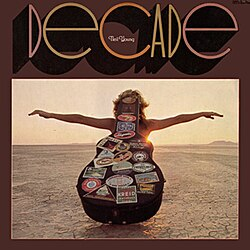
His 1977 compilation, Decade, is an ideal place to start. It shows the incredible range of his tastes in just, you guessed it, a decade.
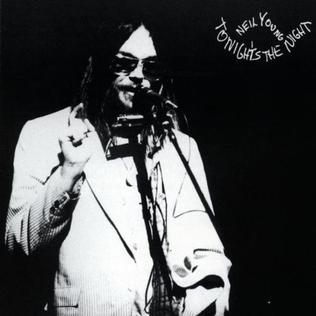
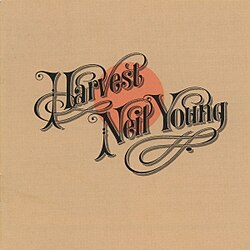
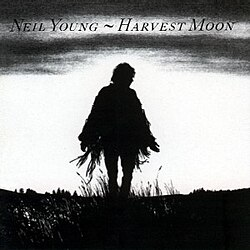
Two albums show how accessible his music can be at times, Harvest and Harvest Moon. While Tonight's the Night is such a deeply personal expression of an artist confronting tragic loss that the listener must meet the music completely on the artist’s terms.
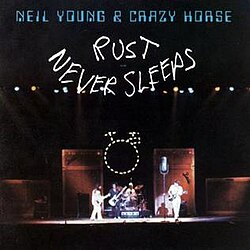
His 1978 masterpiece, Rust never Sleeps, has an acoustic side (well, back in ‘78 albums had sides) and an electric side that features his longtime collaborators, Crazy Horse.
I could go on and on with albums I would recommend by Neil, but I guess I already did.
Bruce Springsteen
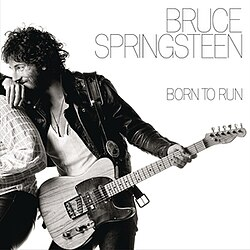
Bruce made it his mission to have his music involve the mind and body. His appreciation of the physicality of musicians such as James Brown separated him from the many confessional songwriters that were popular at the time of his first album. Yet he had an appreciation for meaningful lyricism too, and so he managed to find a way to have it both ways.
Born to Run features that combination as well as any of his albums. It is not only considered one of his best albums, but one of the best albums by any artist ever.
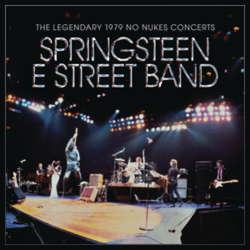
The Legendary 1979 No Nukes Concerts only recently became available, and it is a testament to how intimate and electrifying Bruce and The E Street Band can be.
Bob Seger
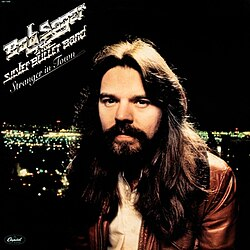
Like Bruce, Bob Seger was able to find common ground between once separate styles of music. Growing up in Detroit, Bob soaked up the sounds of Motown, and he applied that to his gift for storytelling to create something unique. It is only fitting that he would lead Prince to see the value in writing ballads.
Any of Bob’s greatest hits albums would be a great intro, but Stranger in Town has so many staples that it practically is a greatest hits collection. This is the album where Bob puts it all together and shows all his strengths.
John Prine
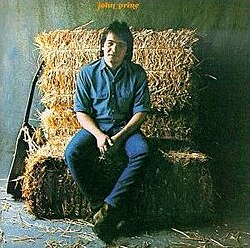
It is such a shame that John Prine never got the airplay he deserved. I urge you to check out his 1971 self-titled debut. From the start, John had the ability to combine the comic and tragic in his lyrics. “Sam Stone” and “Hello in there” are two highlights on this album.
Jim Croce
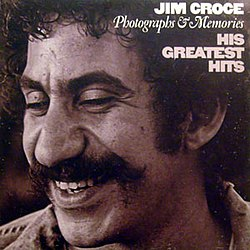
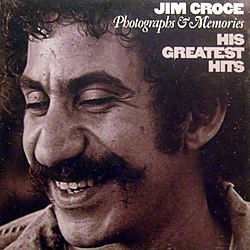
There was a time when Jim’s music played everywhere, but his great catalog of songs isn’t in rotation the way it used to be. Photographs & Memories: His Greatest Hits belongs in every collection. As you listen, it is worth keeping in mind that all these songs were recorded in a three-year span. We lost him way too soon, but he sure left a lot of great music.
About the author
Colton Claye is a writer, musician, activist, and hunt saboteur.
In the Tower of Song
Introductions to some of the greatest songwriters of all time.
By Colton Claye
Part 1
Perhaps you’ve wondered why Bob Dylan was given a Nobel Prize in literature, and nearly every musician cites him as an influence. Maybe you are wondering who the guy listed as songwriter on “Hallelujah” is. Or why Brandi Carlile is always jammin’ with Joni. Here are a few suggestions that represent a few writers often celebrated as among the best and most influential.
Bob Dylan
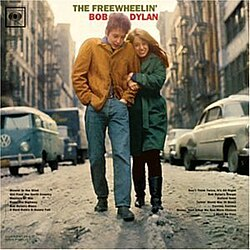
It is only appropriate to begin with Bob Dylan. Most things in music, and art, in general, are a matter of taste, but some things are not subjective – Bob Dylan absolutely liberated lyricism and expanded what nearly every style of music could contain. His second album (and his first to contain mostly original songs), The Freewheelin’ Bob Dylan, is an ideal place to start. This is the folk-singer Bob Dylan, and it contains a few songs that quickly became standards. As you listen, it is worth keeping in mind that this is a 21-year-old who wrote and recorded these songs and that this is 1963. The writing is far beyond what you will get from most people at that age, or any age. And his voice, yes THAT voice, “The voice of a generation” to some, torture to listen to for others, sounds much older than 21 as he already had a gift for phrasing as a singer.
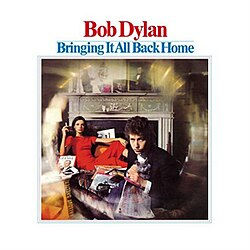
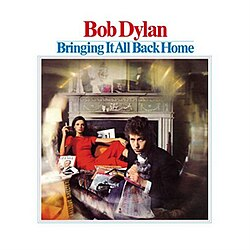
Bringing it all back home, which arrived just a of couple years later, upset the folk music faithful and some of his fanbase at the time. This is where he began performing with a band and “went electric.” Side 1 is the electric side and Side 2 is acoustic and even his writing changed on here, much more poetic. “It’s Alright, Ma (I’m Only Bleeding)” is a remarkable song which features one of his rapid-fire vocals, turning out brilliant line after brilliant line over folk-blues riffs.
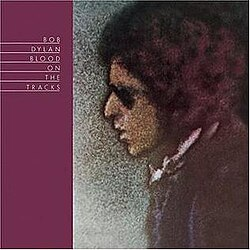
And Blood on the tracks is yet another of the many changes he took with his writing. He jumps into the singer-songwriter era that he paved the way for and shows he not only can still deliver here, but he can once again take it somewhere new. The music is more stripped down and lyrically he changes directions again; some songs change perspectives, and he also plays with time and space.
Along with those albums, I would recommend a few additional songs:
“Only a Pawn in Their game”, “Like a Rolling Stone”, “Jokerman” and “Pay in Blood”.
Leonard Cohen
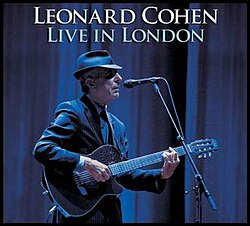
There was a point where even Leonard Cohen thought it might be time for a moratorium on the song “Hallelujah.” Certainly, you have heard at least one version of this song, and there’s a reason it resonates with a large and diverse list of musicians who have given it their own treatment. Much in Cohen’s catalog explores just how close the sacred and profane really are. There is no better place to introduce yourself to the music of Leonard Cohen than his album Live in London. This 2 ½ hour concert document from 2009 covers all the highlights of his impressive catalog and with an outstanding band that is able to support early songs with sparse arrangements from songs such as “Famous Blue Raincoat” to his 80s style productions such as “First We Take Manhattan.”
Leonard didn’t start recording music until his 30s. He had established himself as a poet and that approach shows in his songwriting, so I will also suggest taking a look at his poetry and “Kanye West is not Picasso” is a fine example.
Joni MItchell
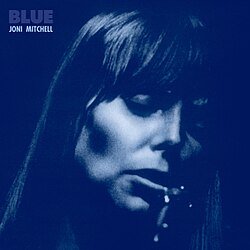
Joni carved out her own path, and paved the way for others, in a field that was dominated by men. Joni was practically alone in establishing a singer-songwriter career as a female and that makes me appreciate the unflinching honesty in her lyrics even more. Throughout her career she examined her flaws and those of the culture around her. She would also share the joys, and sometimes that upset her fan base even more, which might sound odd, but there was indeed criticism when her albums celebrated comfort or being in love. But she just continued writing about what she felt.
Two albums that will give you some career highlights and show some of her widely varied taste in sound would be: Blue and Court and Spark. Both are considered among the best albums ever made. Blue is near the end of her strictly acoustic sound. It is so personal that even Kris Kristofferson feared she was putting too much of herself out there.
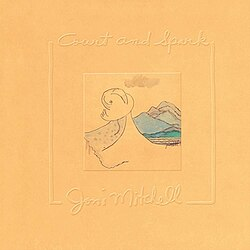
Joni went jazz on Court and Spark and, like Dylan, she didn't make everyone happy by changing her sound. The album is a superb showcase of songwriting and music.
Along with those albums I would suggest checking out a few singles that show some additional facets of Joni- “Both Sides Now”, “Sex Kills” and “Dog Eat Dog”.
Lou Reed
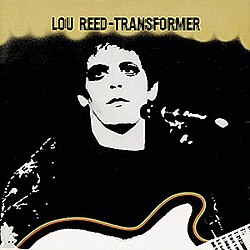
Lou doesn’t get enough credit for how much he expanded the boundaries of lyricism. From the start, his writing on The Velvet Underground’s debut showed a dark side to the Summer of Love’s sex and drugs- there is a risk and a cost that comes with freedom. Of course that didn’t sell as much, but he continued to shine a light on that which was unfairly marginalized and on that which unfairly did the marginalizing.
The Transformer album must be recommended. Much credit goes to David Bowie’s production and vocal additions as he knew how to capture the spirit of these songs. And my biggest recommendation is Lou’s New York album. This is a masterpiece in songwriting and performance, and it is Lou’s finest hour.
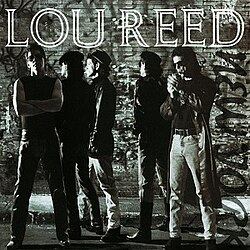
In addition, I would recommend the songs “Venus in Furs”, “Sweet Jane” and “Set the Twilight Reeling.”
Paul Simon
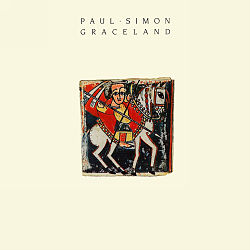
The talent of Paul Simon can partly be expressed in his understanding that he was at a disadvantage as a vocalist compared to Dylan, because Bob Dylan’s voice doesn’t always make him sound trustworthy, while Paul knew he sounded believable and so he would have to be a different sort of writer. In his words and music, he has a way of using both the simple and familiar and contrasting that with the unexpected, getting the listener involved by making us seek a resolution.
The album Graceland is Paul at his best and would be THE place to start exploring his music. There is his signature mix of humor and earnestness. And there is his blend of African and Zydeco sounds that seems to serve as example of how things can mix and get along.
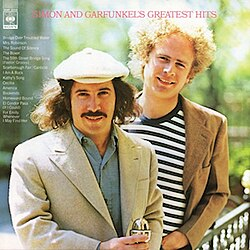
Then, why not check out Simon and Garfunkel’s Greatest Hits, how can’t I recommend that as an intro into that era of his career?
About the author
Colton Claye is a writer, musician, activist, and hunt saboteur.